
How Exterior Plaster Helps Slow Flames and Protect Your Home
Stucco installation helps protect your property from fire because stucco is made from sand, cement, lime, and water. These materials do not burn. When applied the right way, stucco creates a hard outer shell that can slow down flames and block heat from reaching the wood frame behind your walls. This added layer can buy valuable time during a fire and may reduce damage.

What You Need Before Starting
Before starting any stucco installation project, you need proper planning and preparation. Fire resistance depends on correct materials and skilled application.
Here is what should be in place first:
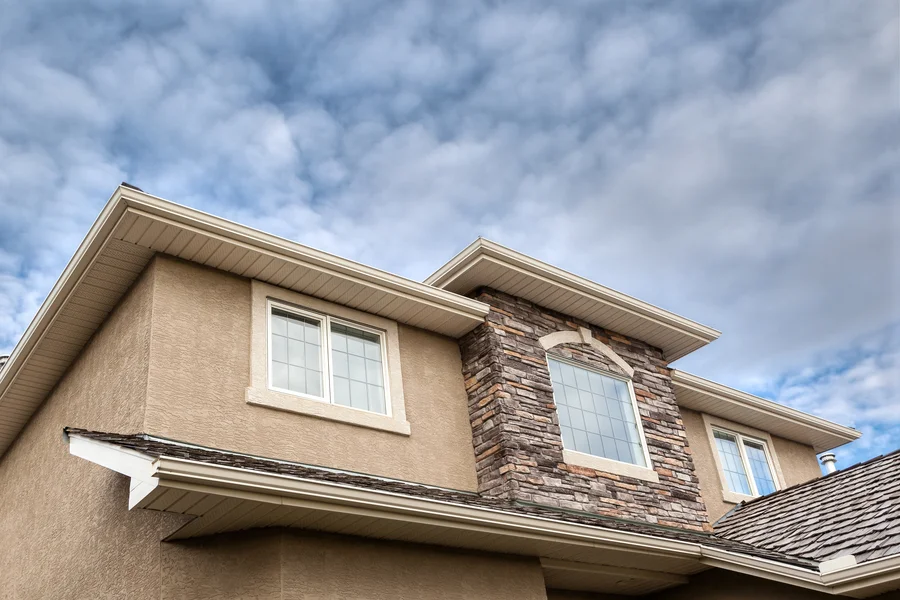
- Fire-rated stucco mix made with cement-based materials
- Proper wall framing and exterior sheathing
- Weather-resistant barrier to protect from moisture
- Metal lath or mesh for strong adhesion
- Knowledge of local building codes in your area
Not all exterior finishes offer the same protection. Vinyl siding can melt under high heat. Wood siding can burn quickly. Stucco, by contrast, does not ignite easily.
Step-by-Step: How Stucco Creates a Fire-Resistant Barrier
Fire resistance does not come from the surface alone. It comes from the full system working together. Here is how the process works:
- Surface preparation. Install a weather barrier over the wall sheathing.
- Attach metal lath. This mesh holds the stucco in place.
- Apply the scratch coat. The first layer is spread thick and scored for grip.
- Add the brown coat. This layer builds thickness and strength.
- Finish coat application. The final coat seals and adds texture.
Once cured, these layers form a dense, solid surface. Because cement-based materials do not burn, flames have a harder time spreading across the exterior wall.
Thicker applications can provide even better protection. Many modern stucco systems also meet fire-resistance ratings when installed according to code.
Common Mistakes to Avoid
Even though stucco is non-combustible, poor workmanship can reduce its performance.
- Applying stucco too thin
- Skipping the metal lath
- Failing to seal gaps around windows and doors
- Ignoring cracks that develop over time
Small cracks may allow heat or flames to reach materials behind the wall. Regular inspection helps maintain the fire-resistant benefit.
Another mistake is mixing materials incorrectly. Too much water can weaken the finish. A weak surface is more likely to crack or fail during extreme heat.
When to Call a Professional
Stucco installation is not a simple paint job. It requires skill and timing. If done incorrectly, the wall may not perform as expected during a fire.
You should contact a professional if:
- You are building a new home
- You are replacing wood or vinyl siding
- You see wide cracks in existing stucco
- You want to meet specific fire-resistance ratings
A trained team understands layering, curing times, and thickness standards. They also know local building regulations that may affect fire safety requirements.
Final Recommendation and Next Steps
If fire protection is a priority for your property in Vero Beach, FL, stucco installation is a strong option. At Carlos Stucco & Painting Services Vero Beach, we install durable stucco systems built to add protection and long-term value. We focus on correct thickness, proper sealing, and clean finishes. Call us at (772) 280-3620 to learn how we can help strengthen your exterior walls and improve your property’s fire resistance.