
How to Get Stucco Walls Ready for a Smooth, Long-Lasting Paint Job
Preparing stucco walls the right way makes interior painting smoother and helps the new paint last longer. Stucco has a rough, porous surface. It can hold dust, cracks, and stains. Before you open a paint can, you need to clean, repair, and prime the wall. When you follow the right steps, you get better coverage, richer color, and fewer problems later.
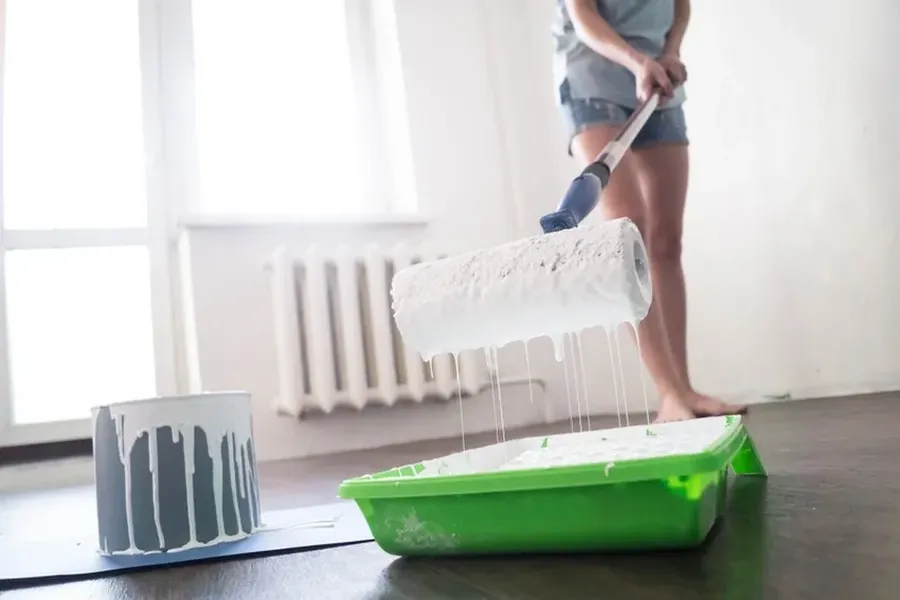
What You Need Before Starting
Stucco is not like drywall. It has texture and can soak up paint fast. That is why prep work matters so much. Before you begin, gather the right tools and materials.
- Drop cloths or plastic sheeting
- Painters tape
- Stiff brush or broom
- Mild detergent and water
- Spackle or masonry patch
- Sandpaper or sanding block
- High-quality primer made for masonry or stucco
- Thick nap roller and paint tray
Having everything ready saves time and keeps the job moving. It also helps you avoid cutting corners.

Step-by-Step Prep Process
Follow these steps to get your stucco walls ready for interior painting.
- Clear the area. Move furniture away from the walls. Cover floors and items with drop cloths.
- Dust the surface. Use a stiff brush or broom to knock off loose dirt and debris. Stucco traps dust in its texture.
- Wash the wall. Mix mild soap and water. Scrub gently to remove grease and stains. Let the wall dry fully.
- Check for cracks or holes. Small cracks are common in stucco. Fill them with masonry patch or spackle. Let it dry and sand lightly.
- Sand rough spots. Knock down sharp or uneven areas. You do not need a smooth wall, but remove loose grit.
- Apply primer. Use a roller with a thick nap. Primer helps seal the porous surface and improves paint grip.
Once the primer dries, you are ready to paint. This prep makes interior painting easier and helps the finish look even.
Common Mistakes to Avoid
Many paint problems start with poor prep. Here are mistakes people often make with stucco walls:
- Skipping cleaning and painting over dust
- Not repairing small cracks before painting
- Using the wrong roller with a thin nap
- Skipping primer to save time
- Painting before the wall is fully dry
Stucco absorbs paint fast. If you skip primer, you may need extra coats. If you ignore cracks, they can show through the new paint. Taking a little more time at the start can save you from repainting later.
When to Call a Professional
Some stucco walls need more than basic prep. Large cracks, water stains, or crumbling areas can point to bigger issues. If you see bulging spots or signs of moisture damage, the wall may need repair before interior painting begins.
High ceilings and large textured spaces can also be hard to handle alone. Professionals have the tools and experience to work with rough surfaces and apply even coats. They know how much primer and paint stucco really needs.
If you want a clean, uniform look in living rooms, hallways, or finished basements, expert help can make a big difference.
Our Final Recommendation for a Strong, Lasting Finish
Preparing stucco walls takes patience, but it pays off. Clean the surface well. Repair cracks. Use a primer made for masonry. Choose rollers designed for textured walls. These steps help your interior painting project look better and last longer.
Need Help With Stucco Wall Painting?
If you are planning interior painting in Vero Beach, FL, we can help you get smooth, even results on textured stucco walls. At Carlos Stucco & Painting Services Vero Beach, we handle everything from surface prep to final coats with care and attention to detail. Call us at (772) 280-3620 to schedule a walkthrough and let us help you get the finish your home deserves.