
How Stucco Texture Affects the Type, Color, and Finish of Paint You Should Use
Stucco texture plays a big part in how paint looks and lasts on your walls. Rough textures absorb more paint and create shadows. Smooth textures reflect more light and show flaws faster. If you choose the wrong paint type or finish, the surface can look uneven or wear out too soon. When planning room painting or exterior updates, matching the paint to the stucco texture helps you get better coverage and longer results.
What You Need Before Starting
Before you pick up a brush or roller, take time to study the surface. Not all stucco is the same. Some walls have heavy peaks and deep grooves. Others feel almost flat with light sand texture.
Here is what helps to have ready:
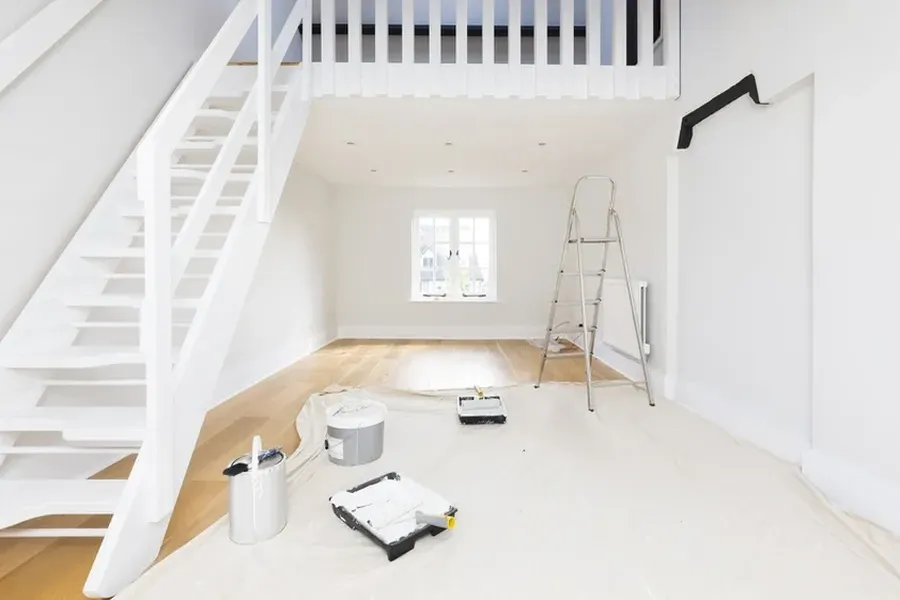
- A clean, dry stucco surface
- Primer made for masonry
- High-quality acrylic latex paint
- Thick nap rollers for rough surfaces
- Angled brushes for edges and grooves
Good prep makes a big difference. Dust and chalky residue can block paint from sticking well.
Step-by-Step: Choosing the Right Paint for Stucco
- Check the texture depth. Deep textures need thicker paint for full coverage. Smooth stucco works well with standard exterior or interior acrylic paint.
- Pick the right finish. Flat or matte finishes hide surface flaws on rough stucco. Satin or eggshell works better on smoother textures.
- Use breathable paint. Stucco holds moisture. Acrylic latex paint lets water vapor escape while sealing the surface.
- Test a small area. Apply paint to a hidden section first. Let it dry fully. Look for even color and coverage.
- Plan for extra paint. Rough stucco can use up to 20 percent more paint than smooth drywall.
These steps help avoid patchy spots and uneven color.
Common Mistakes to Avoid
One common mistake is using the wrong roller nap. A short nap roller cannot reach into deep grooves. This leaves tiny white dots and missed areas. For heavy texture, use a roller with a 3/4-inch or thicker nap.
Another mistake is skipping primer. Stucco is porous. Without primer, paint may soak in at different rates. This leads to blotchy color.
Choosing high-gloss paint is also risky. Gloss highlights every bump and ridge. On rough stucco, this can look shiny and uneven. Flat or low-sheen finishes often look better.
During room painting projects, some homeowners treat textured stucco like drywall. The tools and paint type should match the surface, not just the room style.
When to Call a Professional
Small interior stucco walls can be a simple weekend project. Large areas, tall exterior walls, or damaged stucco may need expert help. Cracks, chalking, or moisture stains must be fixed before painting.
A professional crew knows how to:
- Repair hairline and structural cracks
- Pressure wash without damaging the surface
- Choose the right primer and paint system
- Apply even coats on heavy textures
This is especially helpful for older homes where stucco may have many layers of past paint.
Final Recommendation and Next Steps
Choosing paint for stucco is not just about color. The texture changes how light hits the wall, how much paint you need, and how long the finish will last. Rough surfaces need thicker rollers and more paint. Smooth finishes show flaws more easily and may need careful prep. If you are planning room painting and want clean, even results, matching the product to the texture is key. In Vero Beach, FL, changing weather can also affect how stucco holds paint over time. At Carlos Stucco & Painting Services Vero Beach, we help homeowners pick the right materials and apply them the right way. Call us at (772) 280-3620 to schedule a consultation and let us handle your next project with care.